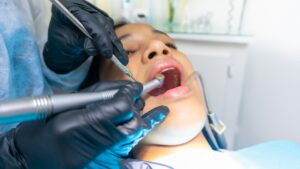
Many people live with sleep apnea for years without realizing it. They adjust to poor sleep, daytime fatigue, headaches, or irritability and assume it’s just part of getting older or living a busy life. Often, the first professional to recognize the warning signs isn’t a physician, it’s a dentist.
At Dentistry for Life in Keller, TX, we regularly identify indicators of sleep apnea during routine dental visits. Because the airway, jaw, and teeth play a critical role in breathing, dentists are uniquely positioned to notice subtle changes that point to a sleep-related breathing disorder long before a formal diagnosis is made.
If you’ve ever wondered, “Do I have sleep apnea?”, understanding these early signs can be the first step toward better sleep and better overall health.
Why Sleep Apnea Is Often Missed
Sleep apnea doesn’t always look the way people expect. While loud snoring is a well-known symptom, many patients with sleep apnea don’t snore loudly or don’t realize they stop breathing during sleep. Instead, the condition often shows up indirectly, affecting energy levels, mood, and physical health.
Because symptoms develop gradually, they’re easy to dismiss. Fatigue gets blamed on stress. Morning headaches are chalked up to dehydration. Jaw pain or worn teeth are treated as isolated dental issues. Over time, these disconnected signs form a clearer picture, one that dentists are trained to recognize.
Signs Dentists Look for During Exams
Dental exams offer a close look at structures that directly influence the airway. Certain findings raise red flags for possible sleep apnea, even when patients don’t report sleep problems.
Excessive tooth wear is one of the most common indicators. Many patients with sleep apnea grind or clench their teeth at night as the body reacts to interrupted breathing. This constant pressure can flatten teeth, strain jaw muscles, and cause chronic soreness.
Jaw positioning is another important clue. A narrow arch, crowded teeth, or a jaw that sits farther back can reduce airway space, making breathing more difficult during sleep. Dentists also pay attention to tongue size, soft tissue volume, and signs of airway collapse.
Dry mouth, inflamed gums, and scalloping along the edges of the tongue may also suggest mouth breathing, a common compensation for restricted airflow.
Symptoms Patients Often Overlook
While dentists observe physical signs, patients often report symptoms they don’t realize are connected to sleep apnea. These may include persistent daytime fatigue despite getting a full night’s sleep, difficulty concentrating, irritability, or waking with headaches.
Some patients experience jaw pain, facial tension, or neck soreness without understanding that nighttime breathing disruptions can trigger muscle overactivity. Others notice frequent nighttime waking, restless sleep, or waking up gasping for air.
According to the , many adults with sleep apnea remain undiagnosed, increasing their risk for long-term health complications.
Why Undiagnosed Sleep Apnea Matters
Sleep apnea isn’t just a sleep issue, it’s a whole-body condition. Repeated interruptions in breathing reduce oxygen levels and strain the cardiovascular system. Over time, untreated sleep apnea has been linked to high blood pressure, heart disease, stroke, diabetes, and cognitive decline.
The American Academy of Sleep Medicine emphasizes that early identification and treatment significantly improve quality of life and long-term health outcomes.
This is why recognizing early signs, even before a sleep study, is so important.
How Dentists Help Identify the Problem
Dentists do not diagnose sleep apnea, but they often play a key role in identifying risk and guiding patients toward appropriate testing. When signs point to a possible sleep disorder, a dentist may recommend a sleep evaluation through a physician or sleep specialist.
Once a diagnosis is made, dentists trained in dental sleep medicine can offer treatment options for certain patients, including oral appliance therapy.
Oral Appliance Therapy: A Comfortable Treatment Option
For many patients with mild to moderate sleep apnea, or those who cannot tolerate CPAP, oral appliance therapy in Keller provides an effective alternative. These custom-fitted devices gently reposition the jaw and tongue to keep the airway open during sleep.
Unlike bulky masks or machines, oral appliances are quiet, portable, and easy to incorporate into nightly routines. Many patients report improved sleep quality, increased energy, and better overall comfort.
The American Dental Association recognizes oral appliance therapy as an effective treatment option for appropriately selected sleep apnea patients.
Why Dental Insight Matters for Long-Term Care
Sleep apnea treatment is most successful when providers work collaboratively. Dentists help manage the structural and functional aspects of the airway, while physicians oversee diagnosis and medical care.
This team-based approach ensures patients receive treatment that fits their anatomy, lifestyle, and health goals, not a one-size-fits-all solution.
Dentistry for Life integrates oral appliance therapy into comprehensive care, supporting patients from screening through long-term maintenance.
Your Sleep Screening in Keller
If you’ve been wondering whether sleep apnea could be affecting your health, the signs may already be showing. Schedule a consultation with Dentistry for Life in Keller, TX, to learn whether oral appliance therapy could help you sleep better and feel better, starting now.